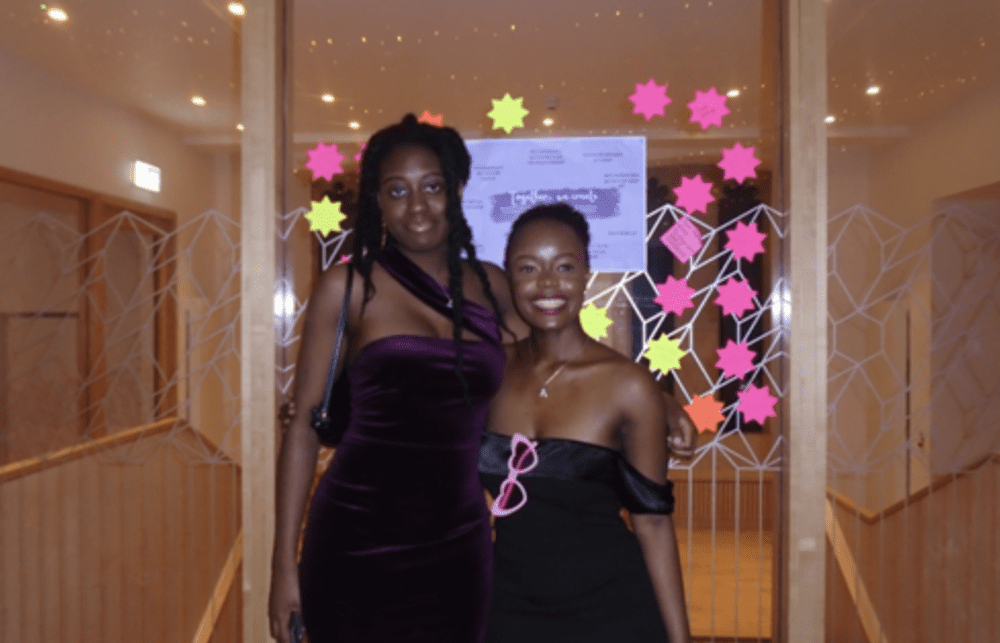
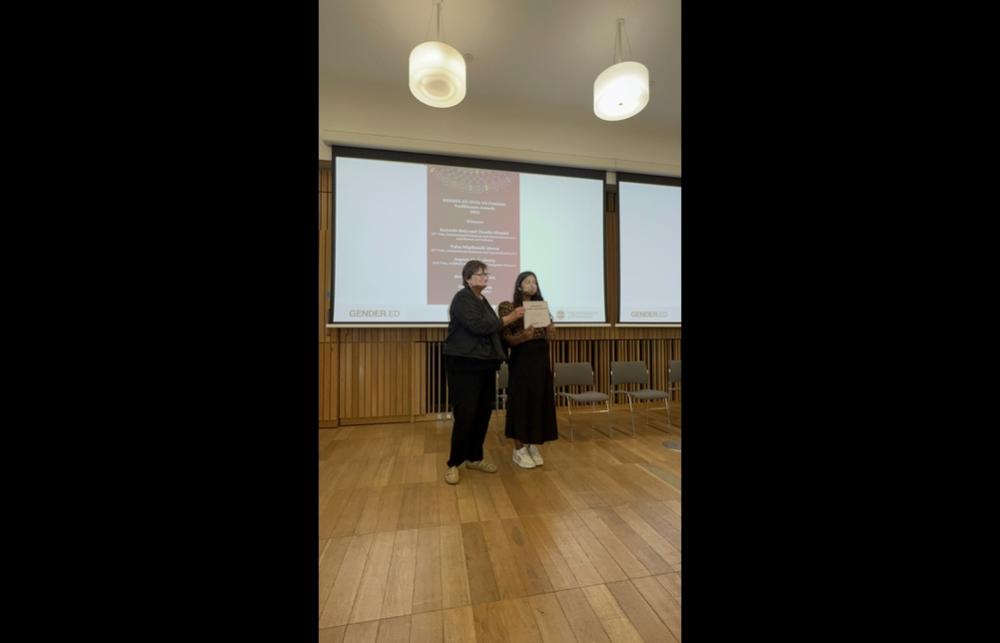
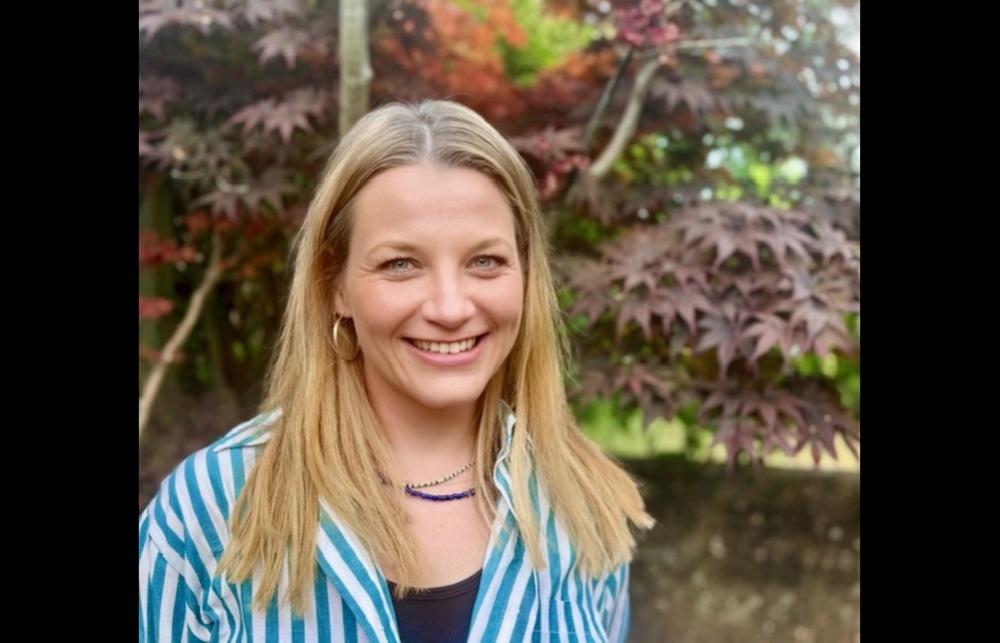

Emmi Wilkinson won 2025 GENDER.ED-EUSA Undergraduate Feminist Trailblazer Award 1st Prize. We asked them to reflect on their feminist work, and what motivates them.
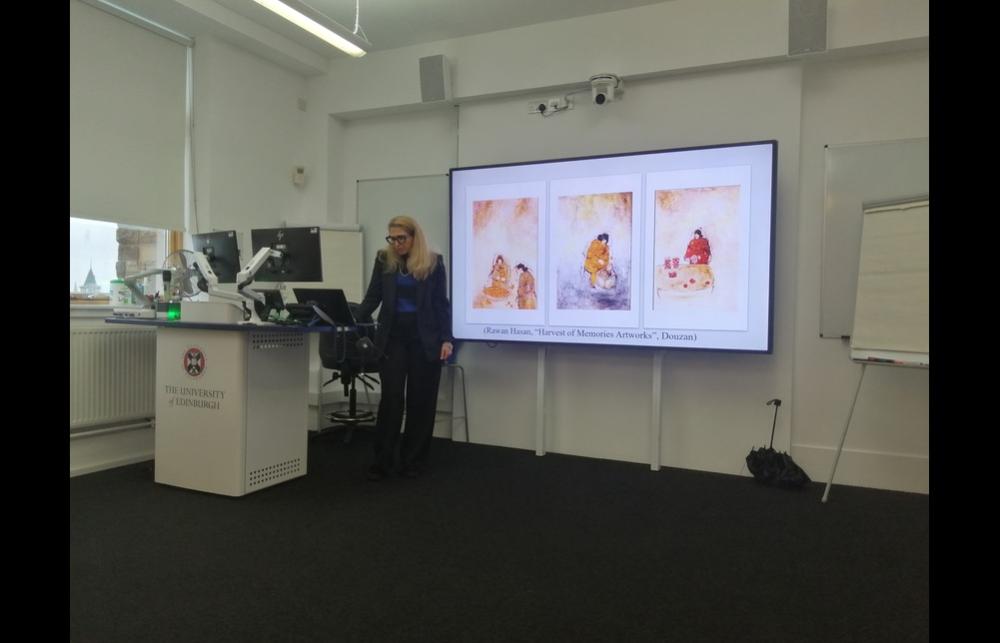
Dr. Raad Khair Allah, Postdoctoral Fellow in Digital Humanities during 2025-26, tells Kaveri Qureshi about her research on Palestinian and Syrian women's diasporic digital activism.
To mark International Women's Day, Kaveri Qureshi sat down with Dr. Helen Shutt, the new GENDER.ED-IASH Postdoctoral Fellow, to talk about her life and research.
Last in this year's ECR Spotlight Series, Paula Blancarte Jaber reflects on the use of self-management strategies for the treatment of endometriosis, to illustrate how not only diseases but the way they are addressed in the healthcare system is inherently gendered, often to the detriment of those living with disease.
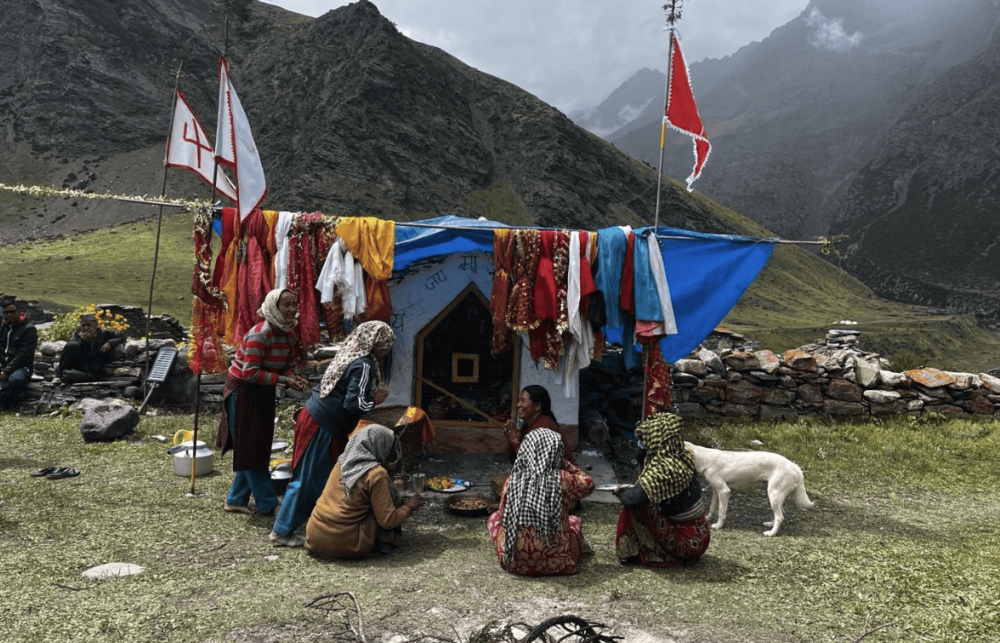
In the ECR Spotlight: Meenal Rawat explores how caste and gender shape ritual authority in the Indian Himalayas, through the lens of deity possession. Drawing on ethnographic fieldwork, it reveals how sacred spaces mirror social hierarchies, even as they promise healing.
More from our ECR Spotlight series: here, on the presupposed crisis in masculinity, Justine Chemin critiques Robert Bly’s mythopoetic mission for its symbolic revision of masculinity as a solution against an assumed masculine unease. Justine asks how the mythopoetic narrative redefines masculinity according to “new” standards.
In our ECR Spotlight series: What does it mean to conduct ethnographic fieldwork and live closely with people who share some identities, while negotiating space for other identities? Mano Mandal reflects on ‘belonging’ through ambiguous linguistic categories, while doing ethnographic fieldwork as a transgender researcher, working with cisgender people.
Continuing the ECR Spotlight series, Bryony Nisbet discusses her research with forcibly displaced lone parents and considers how gender impacts invitations to support and research.
Continuing our ECR Spotlight series, Prerna Singh's blog challenges the dominance of “hygiene” in menstrual health discourse, showing how it erases lived realities and imposes one-size-fits-all solutions. Prerna highlights women’s agency and the need for context-driven approaches over technical fixes.
In association with Valentine’s Day and inaugurating our ECR Spotlight series, Abby McCutcheon delves into the debates surrounding ‘ethics’ and ‘consent’ in non-monogamous relationships, calling for a more nuanced examination of how social, political, and power dynamics shape intimacy, and for deeper reflection on relational justice, privilege, and fairness.
As we approach Valentine's day, Zeynep Temel draws on feminist political economy to critique the “love languages” framework for obscuring gendered emotional labor and structural inequality, and reframing intimacy as a site where care, power, and economic precarity are quietly governed.
Delving into Edinburgh’s queer history, we discover the story of two school teachers, accused by their pupil of having 'inordinate affection' for each other. Poppy Watson paints a picture of the socio-cultural goings on in our city in the early 19th Century, highlighting complexities of class, race and queerness.
Join our mailing list to receive email updates on GENDER.ED news and events, and the latest from our blog.

Join our mailing list
This website uses Google Analytics to gather usage statistics. Please accept or reject. See our privacy policy.